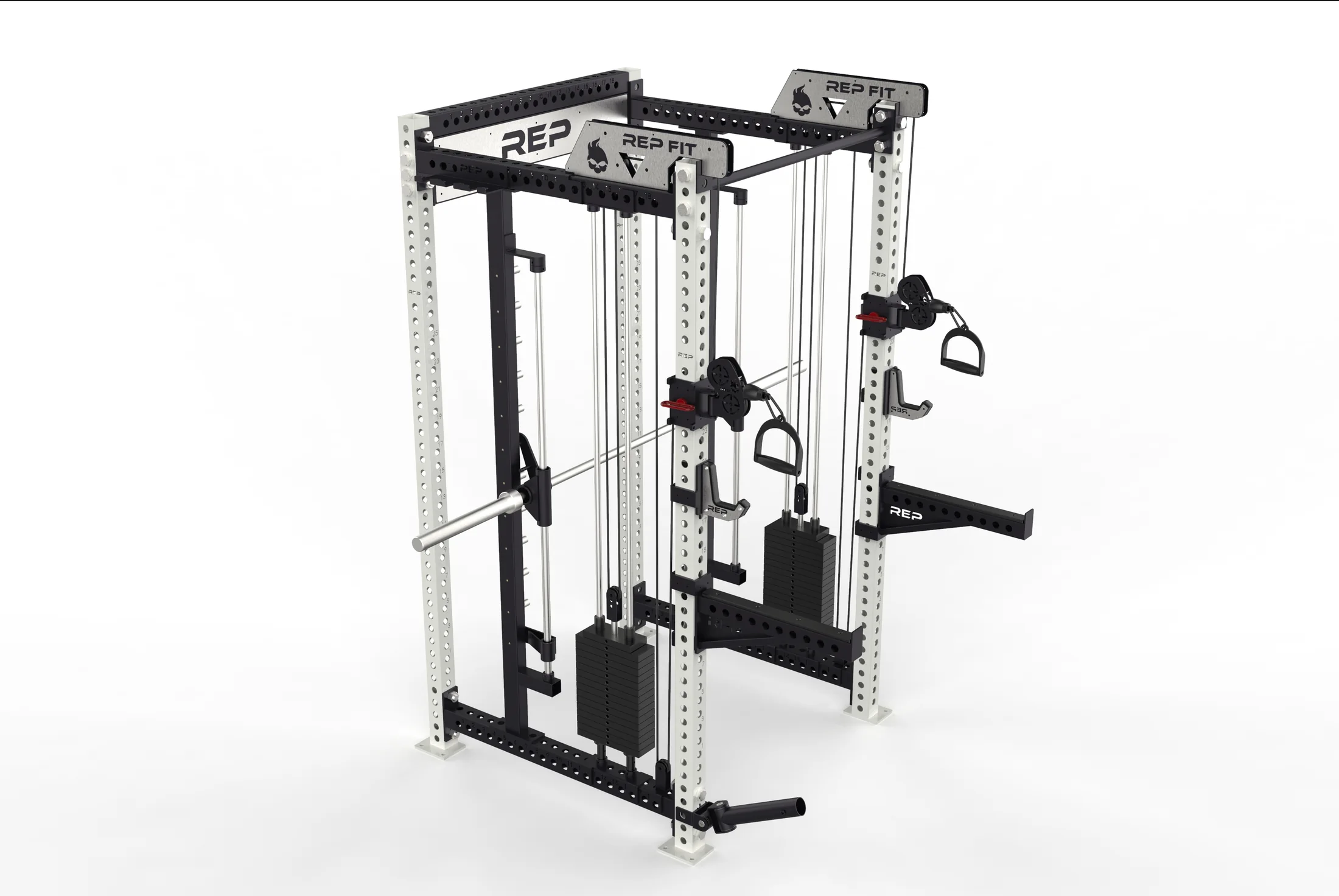
Trace the attachment load into the upright
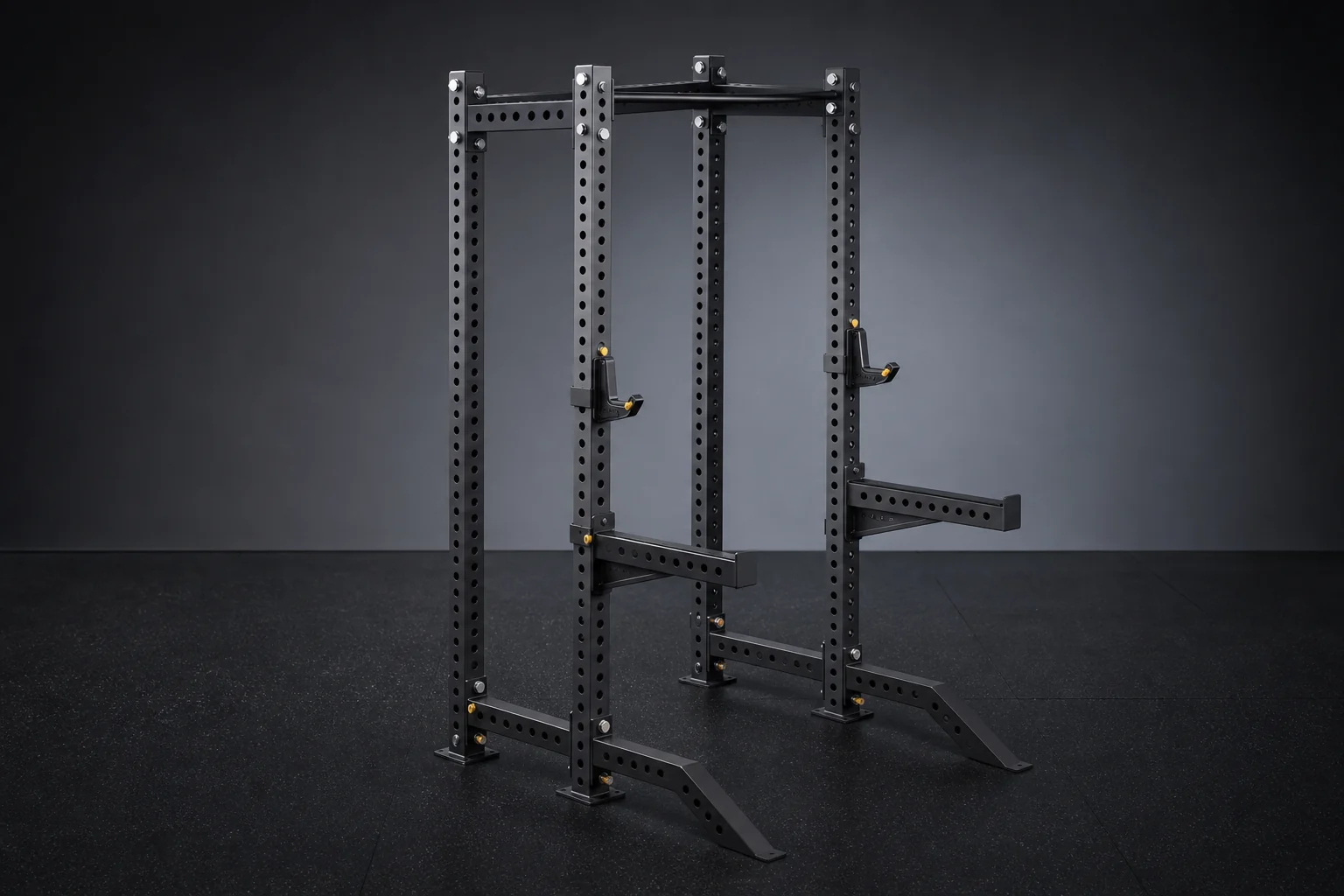
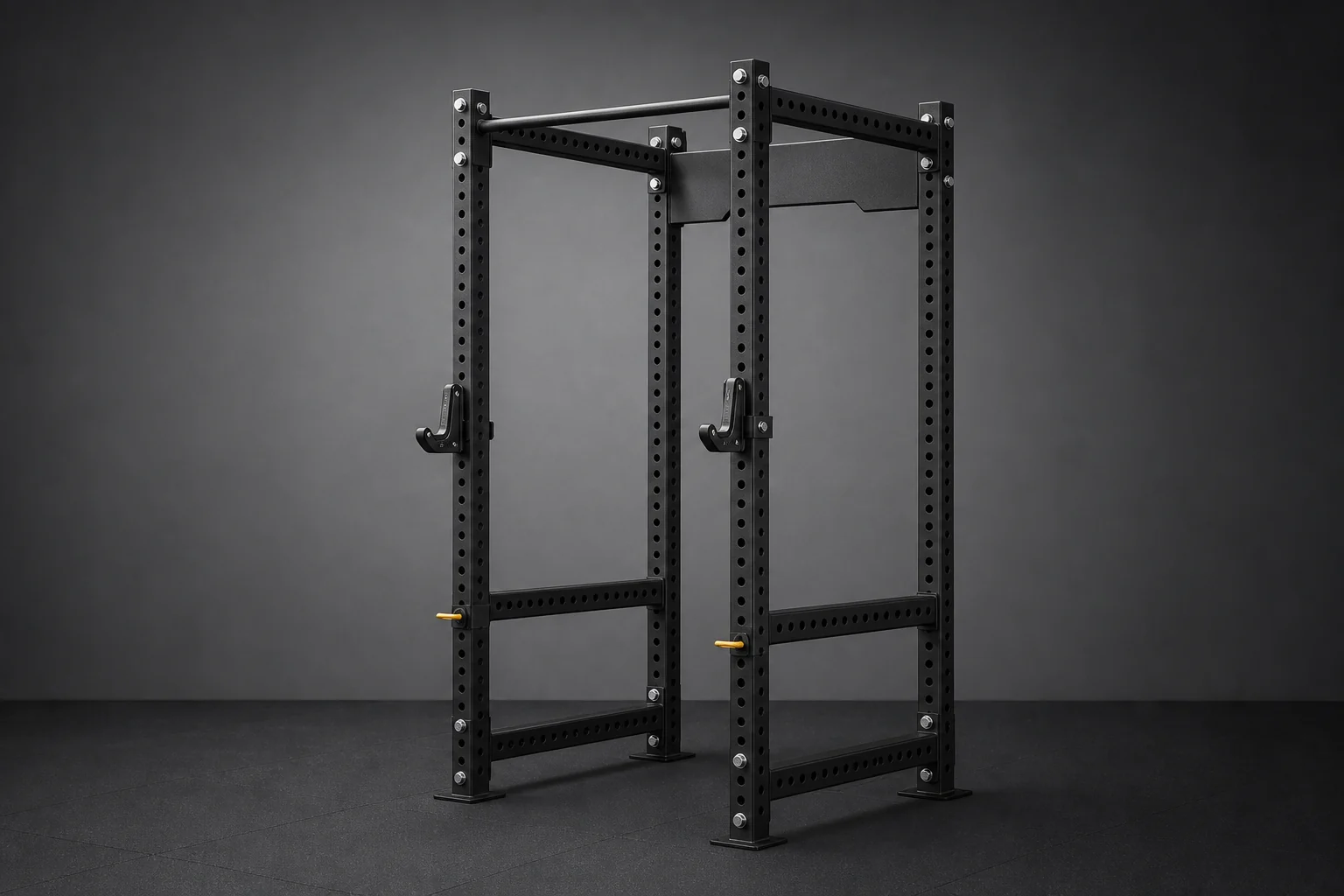
Begin with the surfaces that actually touch. Record which bracket faces clamp the upright, which pin carries load, whether a secondary lock limits rotation and how the attachment seats before it is used. Two products can share a nominal hole diameter yet differ at the corner radius or bracket return, preventing the attachment from lying flat.
Check usable engagement rather than pin length in isolation. A decorative cap, thick bracket, washer stack or double-wall feature can shorten the portion that passes through the controlled members. The approval drawing should identify the locked position and the component combination, not just show a loose pin beside an upright.
Define zones where compatibility is actually promised
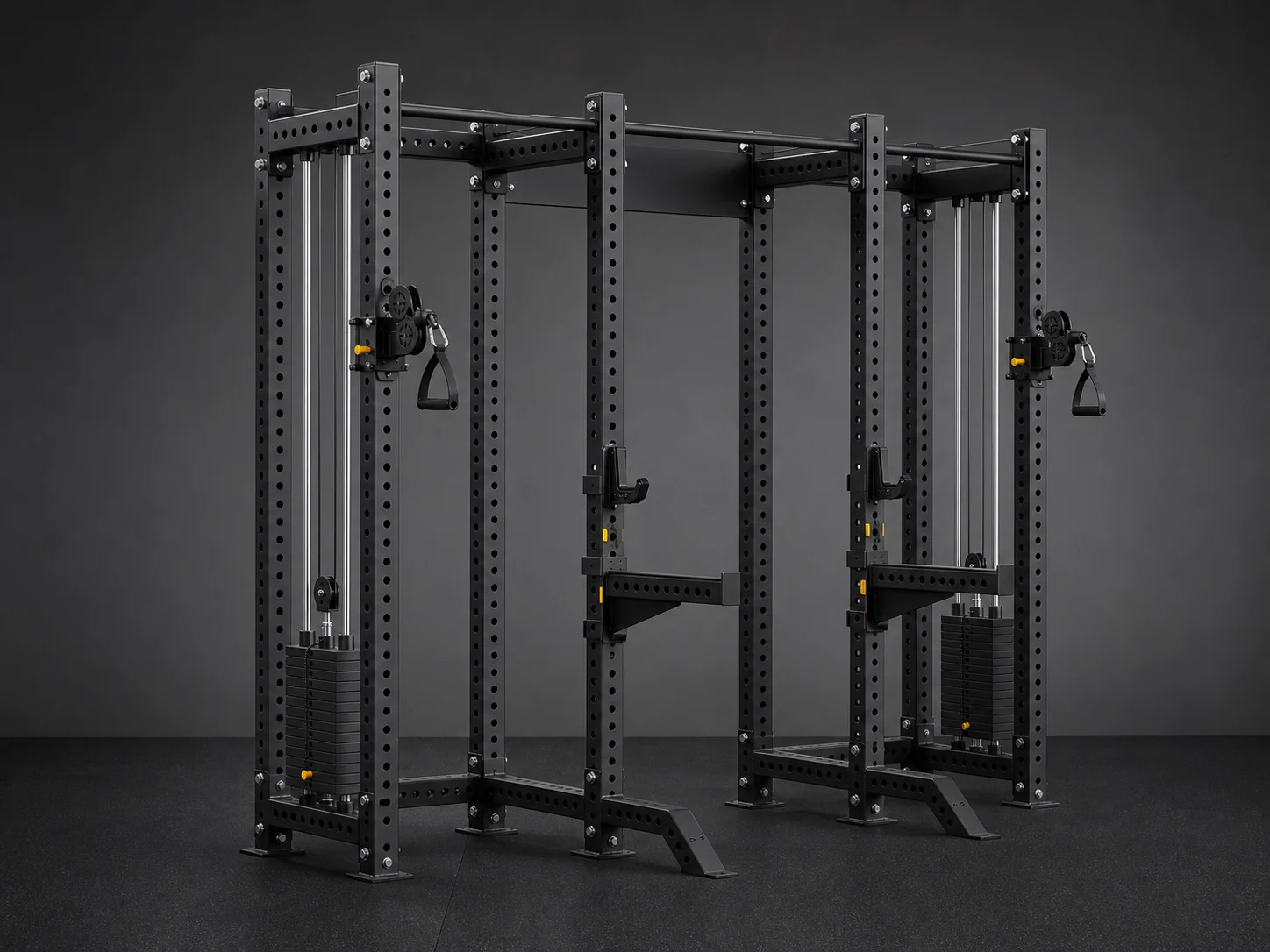
Map holes that are unavailable because of base plates, crossmembers, logos, cable trolleys, storage pegs or wall clearance. The remaining holes form the usable interface zone. This prevents sales material from implying that an attachment works at every height when the rack architecture provides only a bounded range.
Test adjacent equipment in the same zone. A dip arm may fit alone but collide with a plate tree, bench path or cable handle. A brand building an ecosystem should review common combinations and publish exclusions instead of forcing customers to discover conflicts after purchase.
Build an interface schedule for samples and quotations
The schedule should name upright outer dimensions, relevant corner condition, hole diameter, pitch pattern, face-to-face relationship, bracket envelope, pin and lock, permitted orientation, usable zones and finish allowance. Each entry needs a measurement method and drawing reference so two suppliers are answering the same question.
Keep performance claims separate from dimensional compatibility. A fitting attachment has not thereby proven its intended capacity or use. The product-specific evaluation and applicable equipment requirements remain necessary; the interface schedule only prevents geometric ambiguity from being mistaken for approval.
Protect installed racks when the design changes
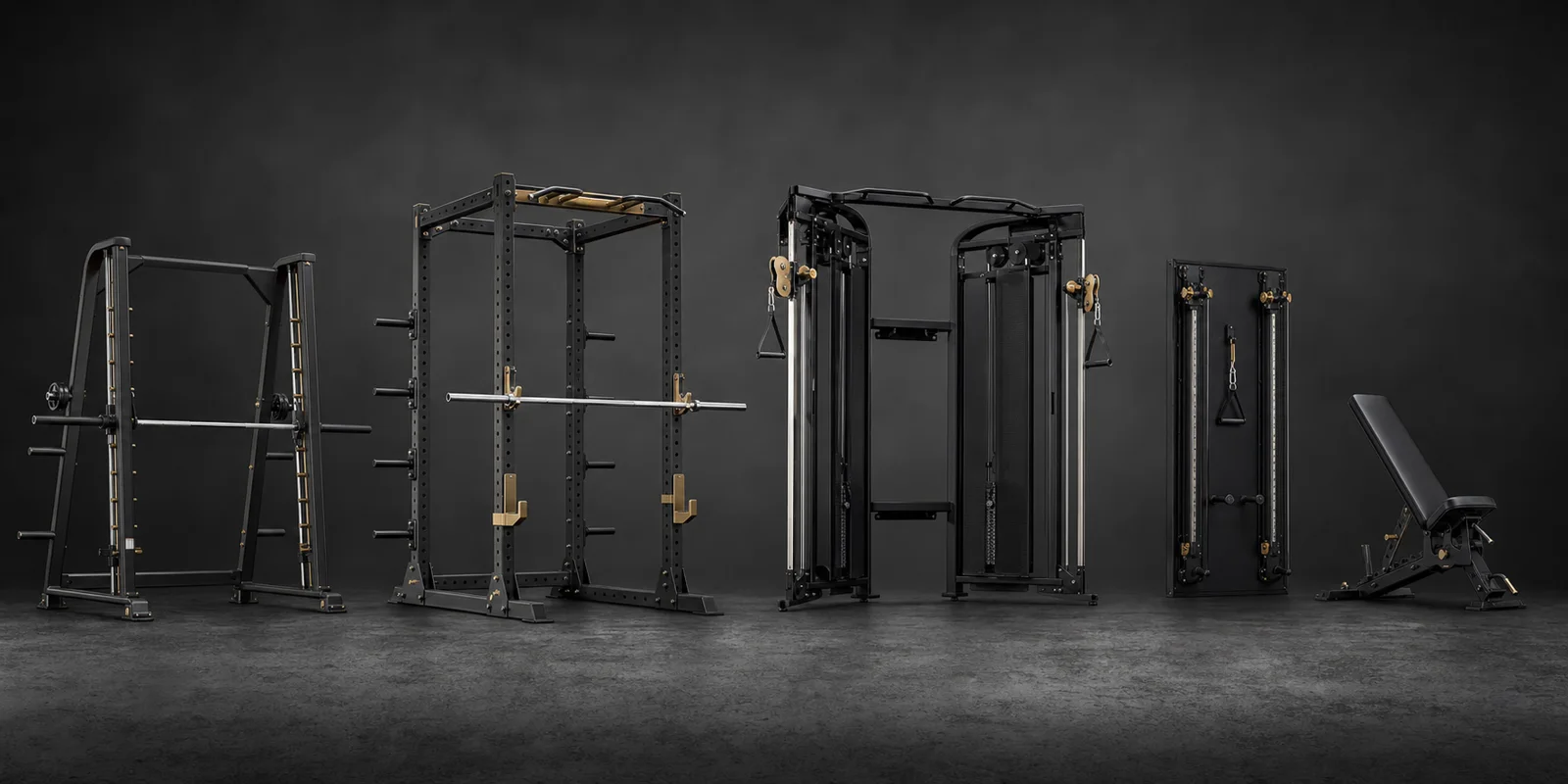
Assign an interface revision that is more stable than the marketing model name. When an upright, base or cable route changes, assess whether the controlled zone or engagement changes. If it does, define which attachment revisions remain supported and how the buyer can identify racks already in the field.
The purchase order should reference both frame and interface revisions. Retain a checked sample of critical attachments, but do not rely on sample memory. A drawing and change log let purchasing, service and product teams reach the same answer when an accessory is added months later.