Start with the damage code, not the carton grade
Create separate receiving codes for abrasion, coating contact, deformation, loose parts, missing parts and adjustment failure. A single label such as shipping damage hides whether the problem began with restraint, component protection, handling orientation or the unpacking method. Photographs should show the package face, the first exposed contact and the affected component before anything is rearranged.
The code also determines containment. A superficial carton mark may need no action, while a shifted steel frame can damage several protected surfaces before the box is opened. The receiver should be able to quarantine one package, inspect the same contact point in adjacent units and report a repeatable location rather than a general complaint.
Map mass, voids and contact points in the packed orientation
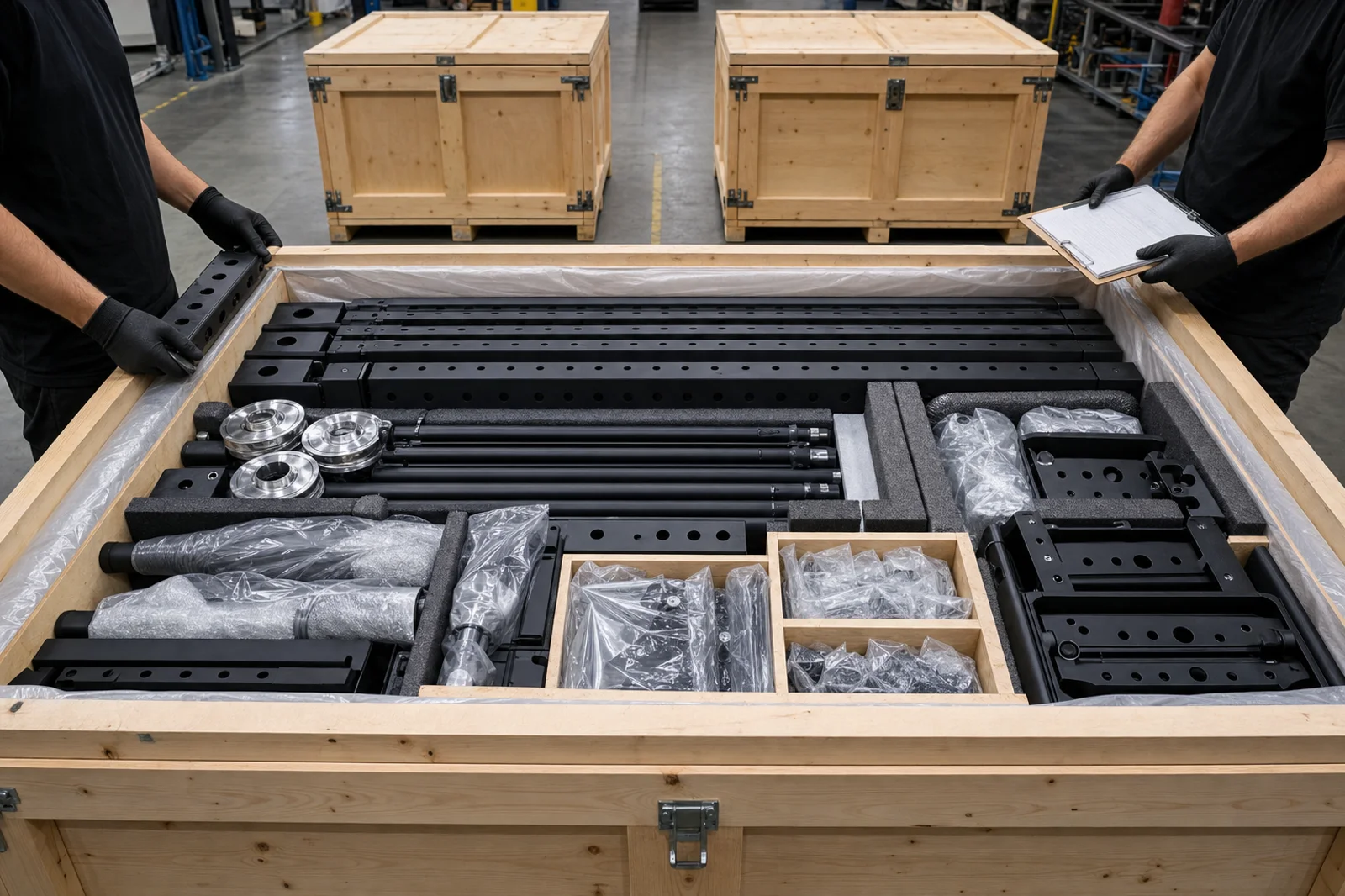
Use the supplier's packing drawing to identify which members carry the bench mass on every permitted handling face. Mark long unsupported spans, sharp hardware near upholstery, painted surfaces facing each other and components that can migrate into a mechanism. Foam thickness alone is not evidence if it is placed where no load is transferred.
Review the hardware pack as a moving object. Fasteners, pins and small brackets require a closed, located compartment with an identity that matches the assembly list. If the pack can travel through a void, it can strike paint or disappear beneath another component even when the outer carton remains intact.
Run an unpacking rehearsal with the receiving team
Have a person who did not pack the sample follow the proposed instructions. Record which face is opened, which restraint is removed first, where heavy parts are supported and when upholstery becomes exposed. The goal is not to reward a careful factory technician; it is to learn whether an ordinary receiver can reach every component without dragging, dropping or cutting near a finished surface.
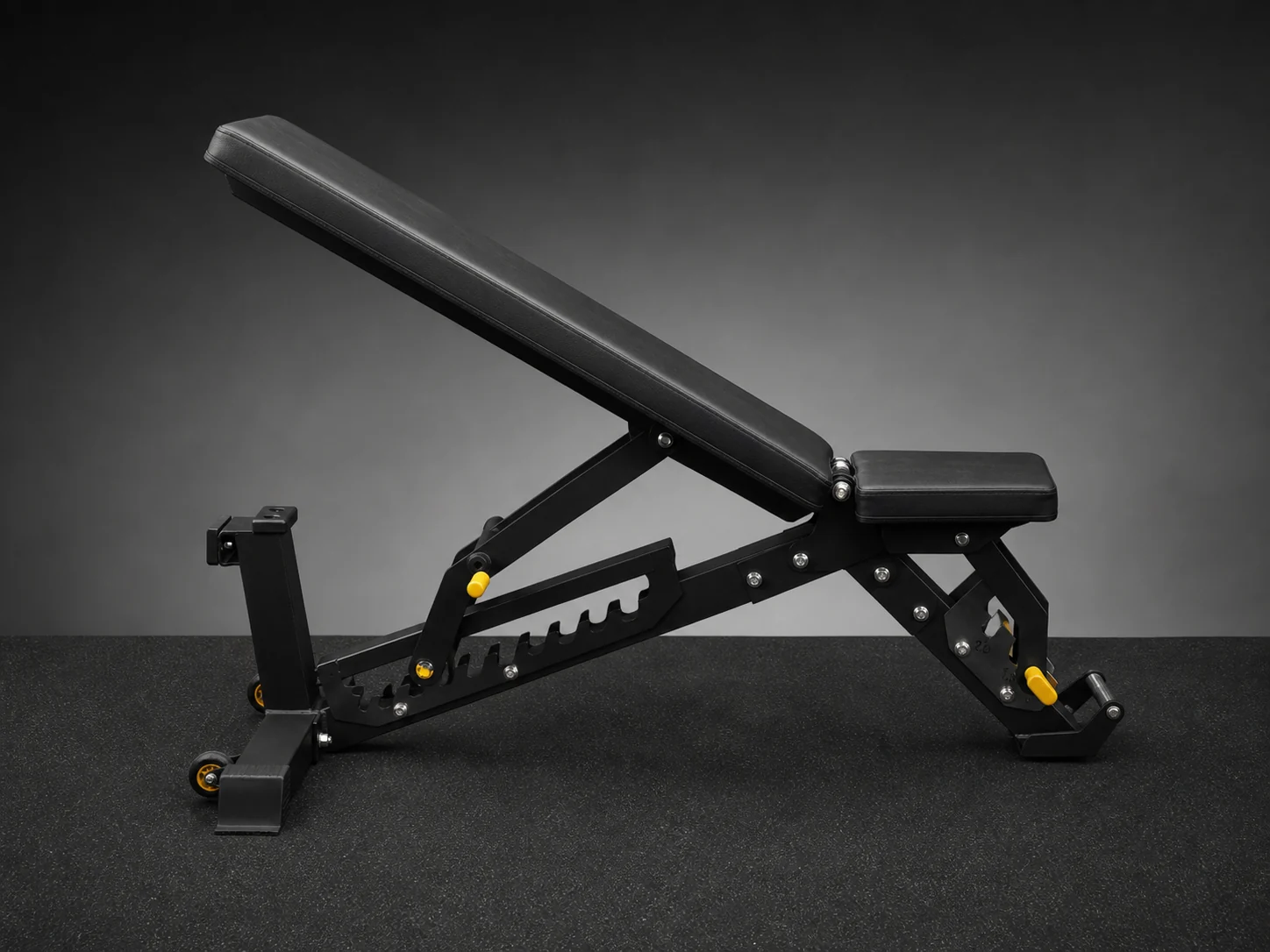
Count loose items against the assembly list before discarding material. Photograph the adjustment mechanism in its protected state and again after assembly. Operate every intended position without load, check that the locking element engages as described and retain any packing witness marks that point to movement in transit.
Freeze evidence that can travel with the purchase order
The approval record should identify model revision, packed gross arrangement, component list, restraint locations, protective materials and the dated unpacking sequence. It should state what changed after the test. A photograph without a revision or orientation cannot control a later production package that looks similar but carries its mass differently.
Define the receiving sample size and escalation rule before shipment. The importer needs to know which observations are cosmetic, which stop distribution and which trigger wider inspection. That decision turns packaging from a supplier promise into a shared operational control without inventing a universal drop level for every bench.
BUYER QUESTIONS
Questions to resolve before approval
Is an undamaged outer carton enough to accept the bench?
No. Concealed movement can affect upholstery, paint, hardware and the adjustment mechanism. Acceptance should include the defined internal contact points and a functional check after assembly.