The temporary imbalance matters
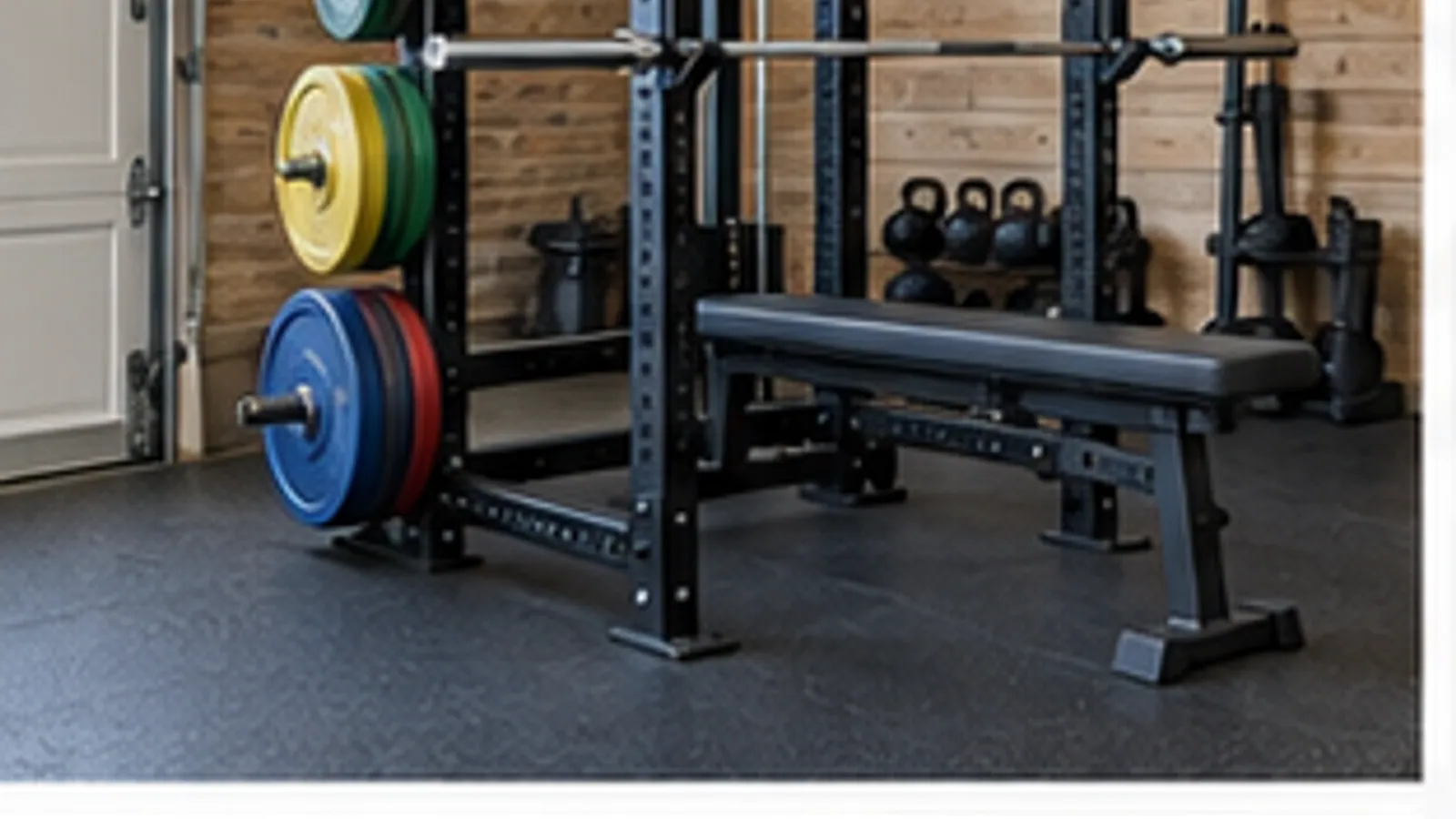
Low rear horns generally keep mass down and away from the lifter, while high or front horns may improve reach but consume valuable bar and walkout space.
Check squat, bench, rack pull, cable and landmine setups separately because the same plate position does not stay clear in every exercise.
Storage should remain balanced from left to right and should not create a tempting step, handhold or sharp obstruction beside the training lane.
Choose a repeatable loading sequence
Plate ballast may reduce movement on an approved freestanding rack, but it does not convert a bolt-down model into a freestanding one or prove stability under outward loads.
A six-post extension separates storage from the lifting bay but increases room depth; a separate tree uses floor space yet can preserve the rack interface and cable travel.
Verify upright size, hole diameter, hole spacing, bolt size, pin length and the manufacturer load limit before mixing horns with a different rack ecosystem.
Verify the complete operating setup
Approve the final layout using the largest plates, lowest bench position, every safety setting and the cable at full travel; then document which horn positions stay available.
Draw the full diameter of the largest plate around every proposed horn; a plate can clear an empty upright yet collide with a loaded bar, safety or bench backrest.
- Compare multifunctional racks
- R05
- Bolt-Down vs Freestanding Power Rack: Which Installation Is Safer?
- Compare rack safety options