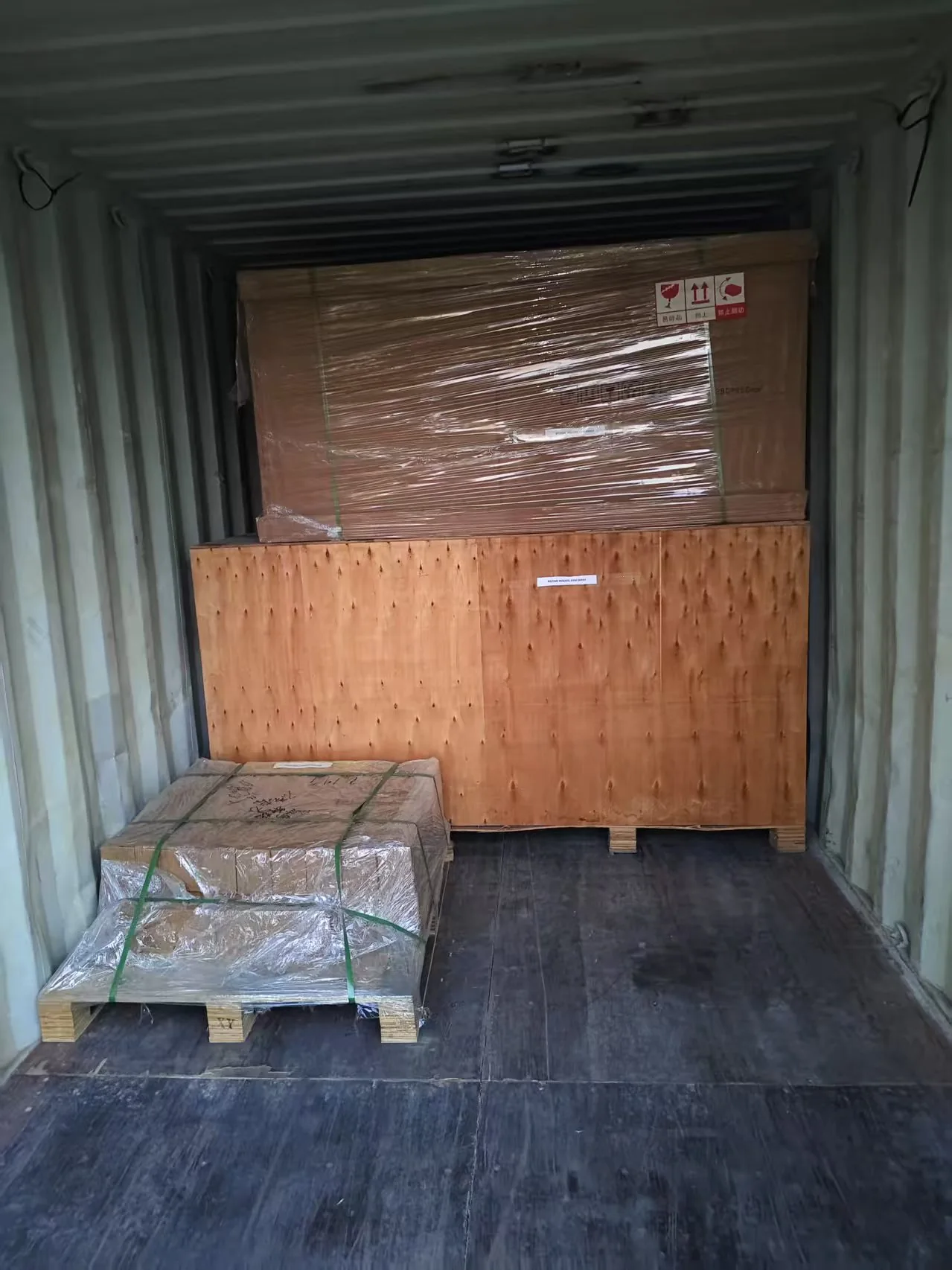
Racks and benches combine long coated frames, moving parts, cables, pads and many small fasteners. Export packing must control contact between finishes, keep hardware traceable and make receiving inspection practical.
| Component | Packing priority | Receiving check |
|---|---|---|
| Coated steel frames | Separate contact surfaces | Finish and part count |
| Pads and upholstery | Keep away from sharp hardware | Surface and seams |
| Cables and pulleys | Prevent crushing and tight bends | Routing set and quantity |
| Fasteners | Label by assembly step | Bag and count against list |
| Wear parts | Pack as a named spare group | Match supplied list |
1. Group parts around the assembly sequence
Pack uprights, crossmembers, moving assemblies, attachments and hardware in clear groups. Labels should connect each group to the model and packing list.
2. Protect finished surfaces from each other
Powder-coated frames and stainless-steel surfaces need separation from bolts, plates and other metal parts. Pads must be isolated from sharp brackets and oily components.
3. Control small hardware and accessories
Count and label screws, washers, pins, handles and cable accessories. The accessory list used during quality inspection should match the list inside the crate.
4. Include wear-part information
Ship the agreed vulnerable spare parts with a named wear-part list. This helps the receiver store the parts correctly and supports later service conversations.
5. Make the wooden crate useful at receiving
Use the crate mark, model reference and packing list to support unloading and inspection. On arrival, the buyer should check crate condition, count packages, photograph any visible damage and verify the contents before assembly.