Give every model a commercial role
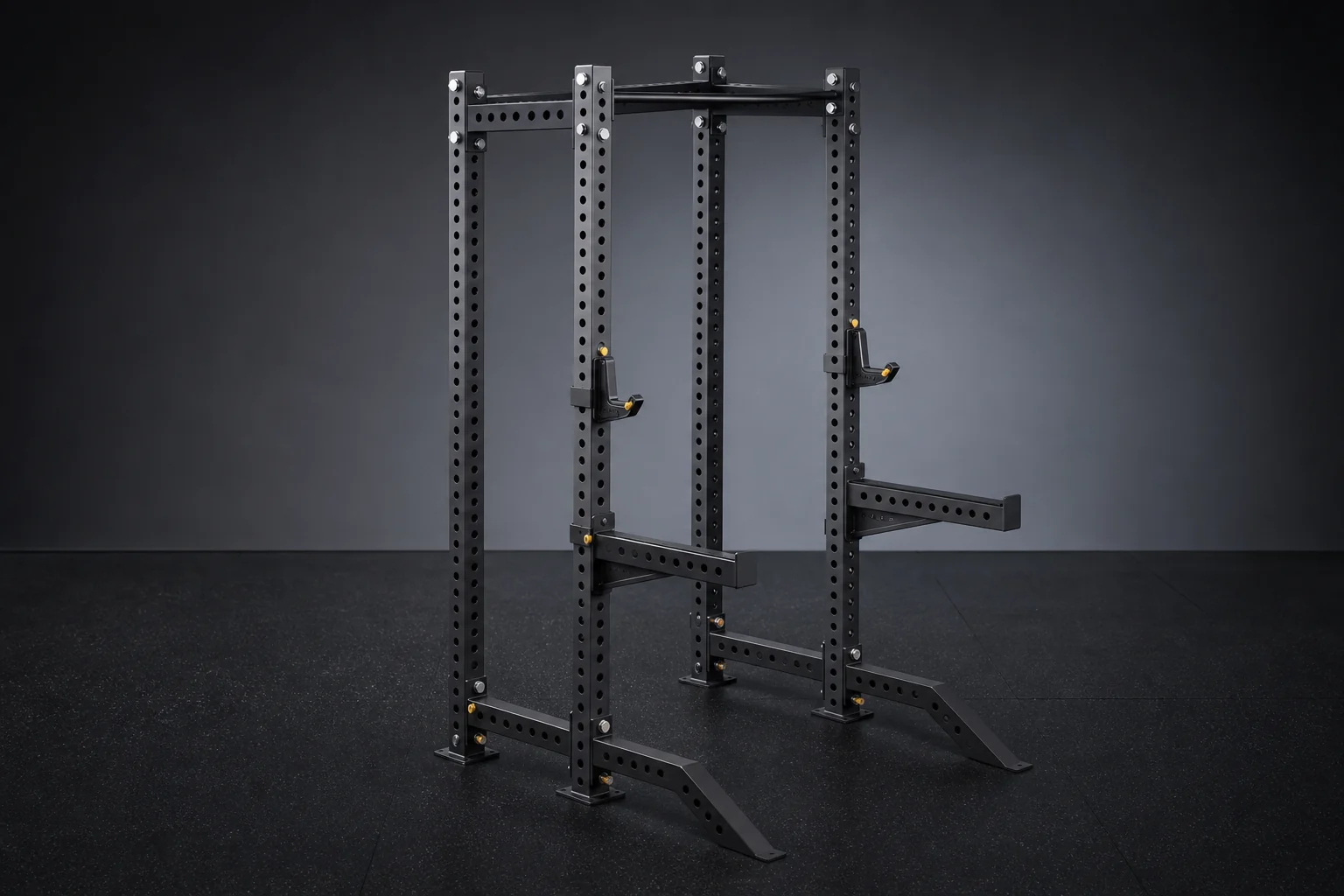
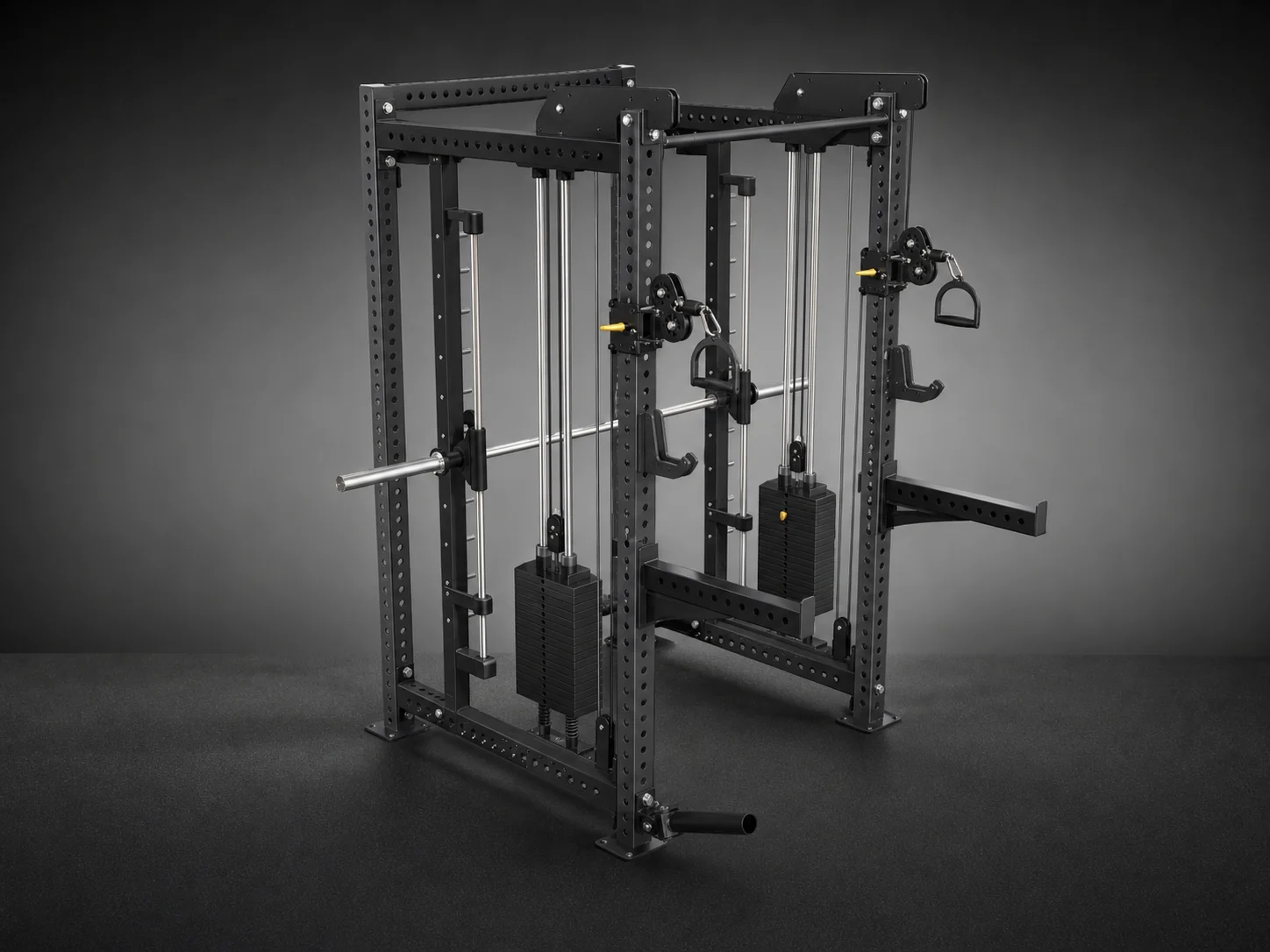
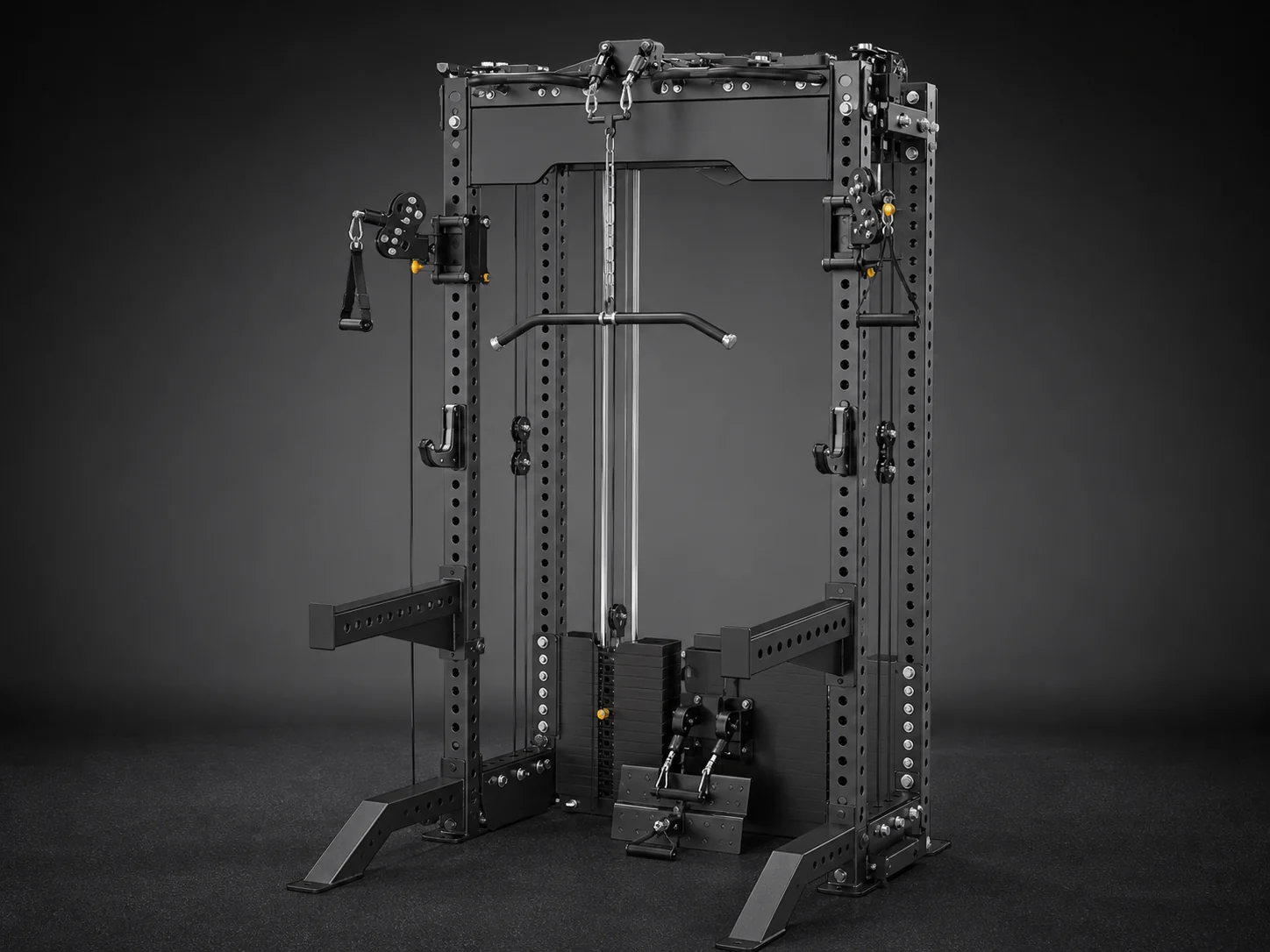
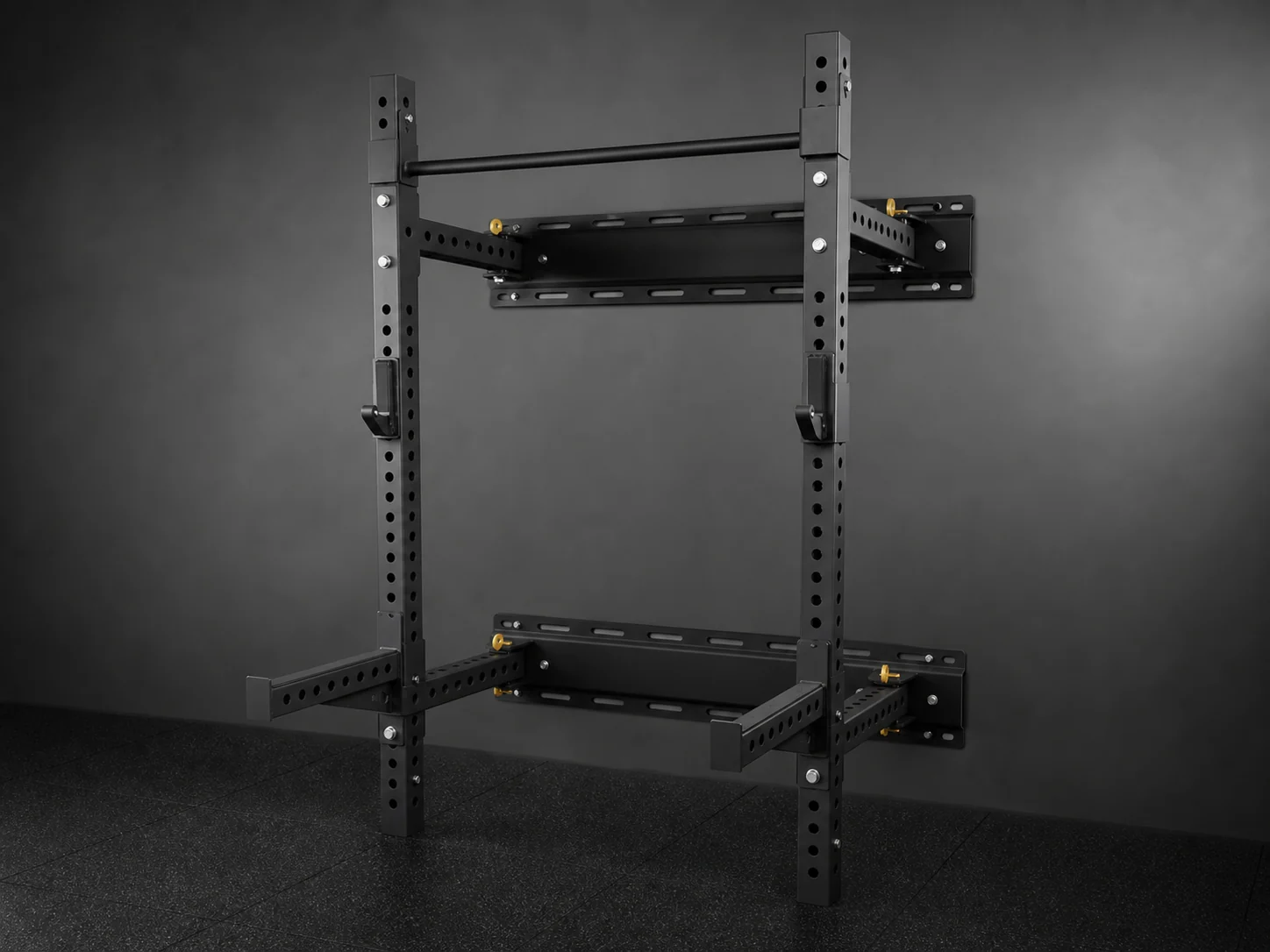
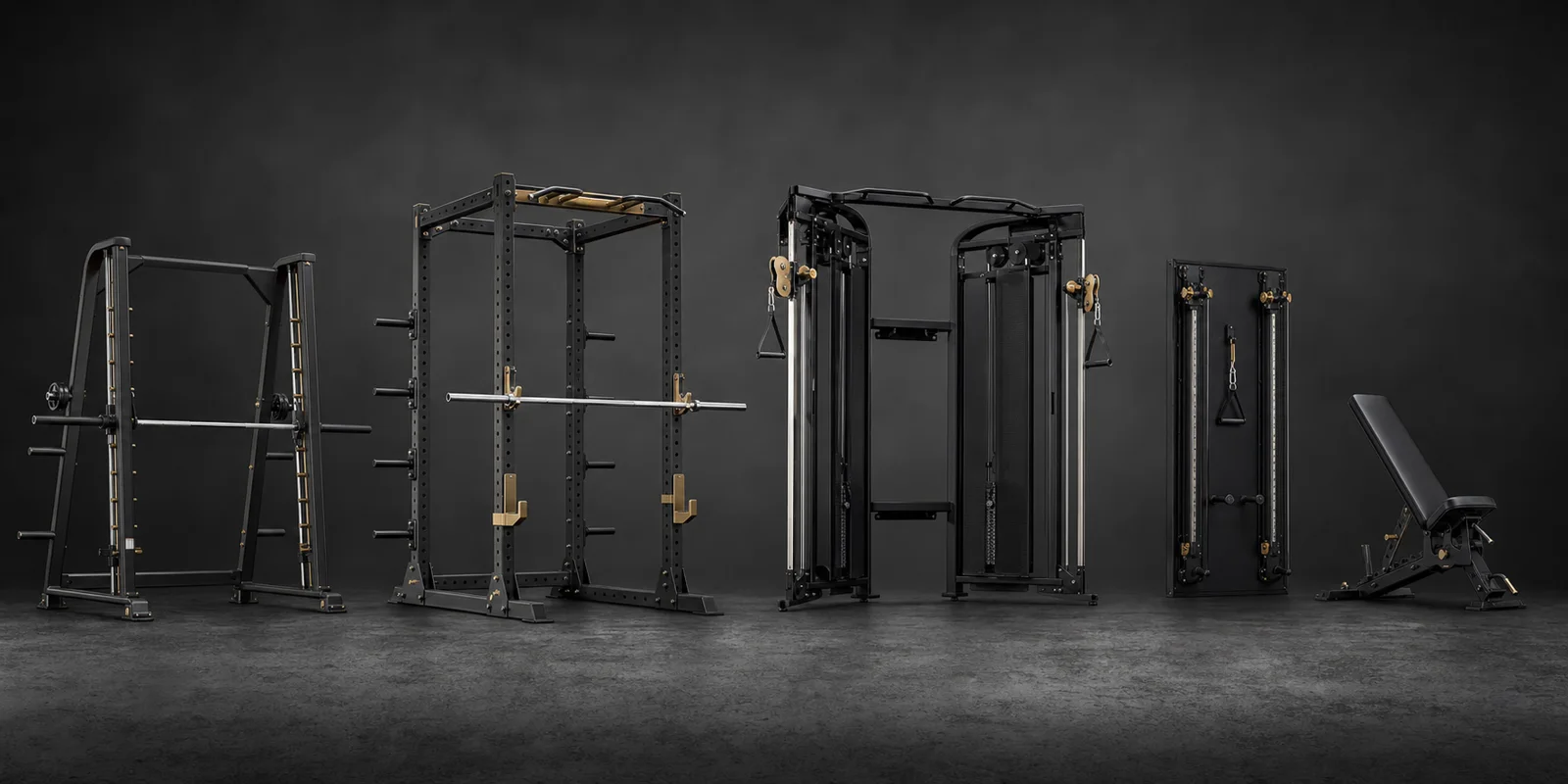
A catalogue becomes difficult to sell when several products have similar footprints, functions and price positions. Start with the buyer problem each model solves: compact installation, dedicated free-weight training, cable versatility, guided-bar confidence or multi-user capacity.
If two models solve the same problem, define a visible difference in function, material, finish or buyer level—or remove one from the first launch range.
Build entry, core and premium steps
The entry tier should be easy to explain and practical to stock. The core tier should cover the broadest repeat demand. The premium tier should create clear visual and functional value, helping the distributor protect margin rather than compete only on price.
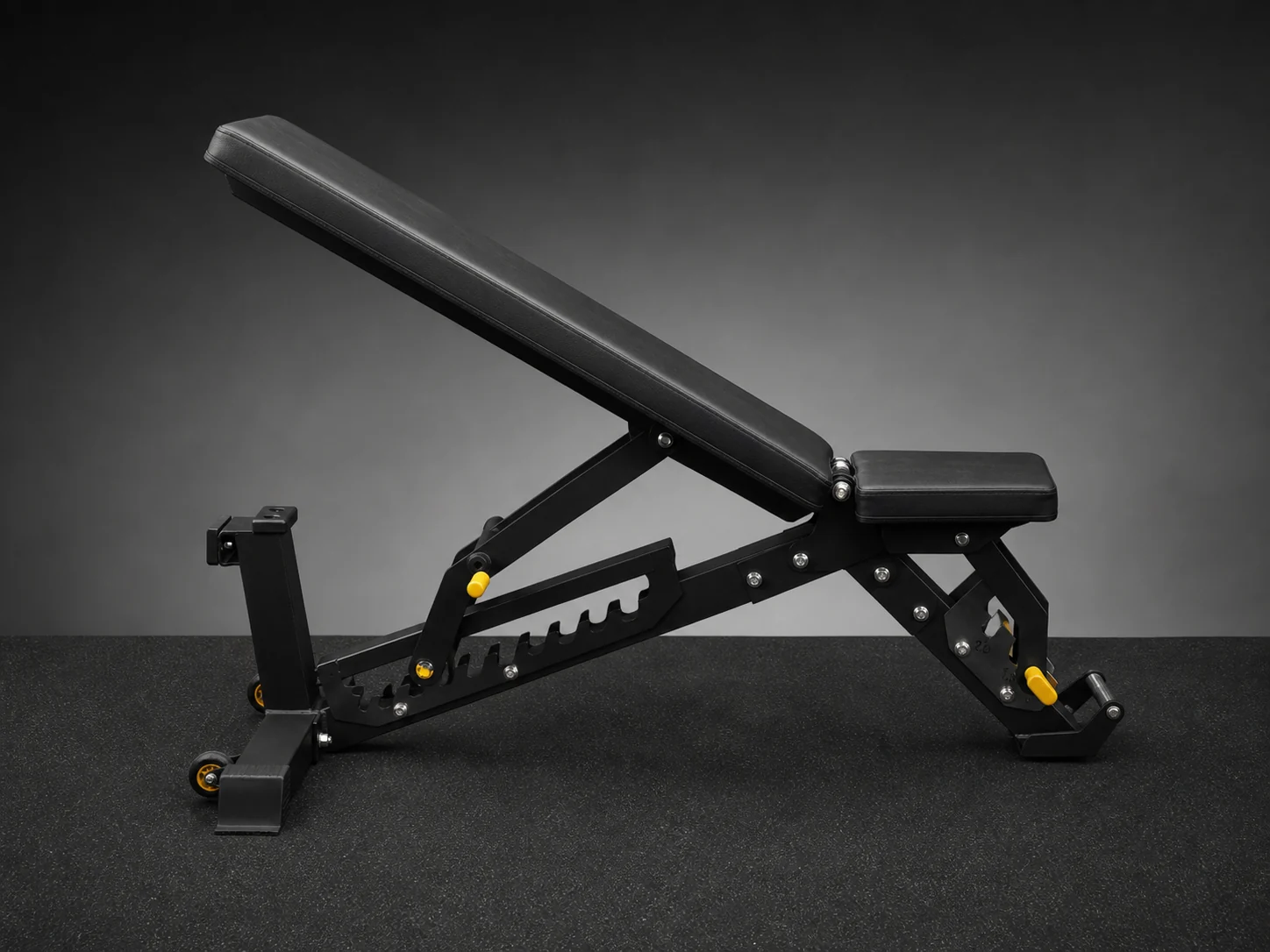
R14 can be planned as an attachment to several rack packages rather than a disconnected product.
Control customization as repeatable variants
Choose a small approved finish palette, attachment packages and nameplate rules. Record each variant as a repeatable configuration with its own drawing, accessory list and packing requirement.
This keeps custom capability commercially useful without turning every order into a new engineering project.
- Core frame colors
- Standard and premium attachment packs
- Brand and nameplate position
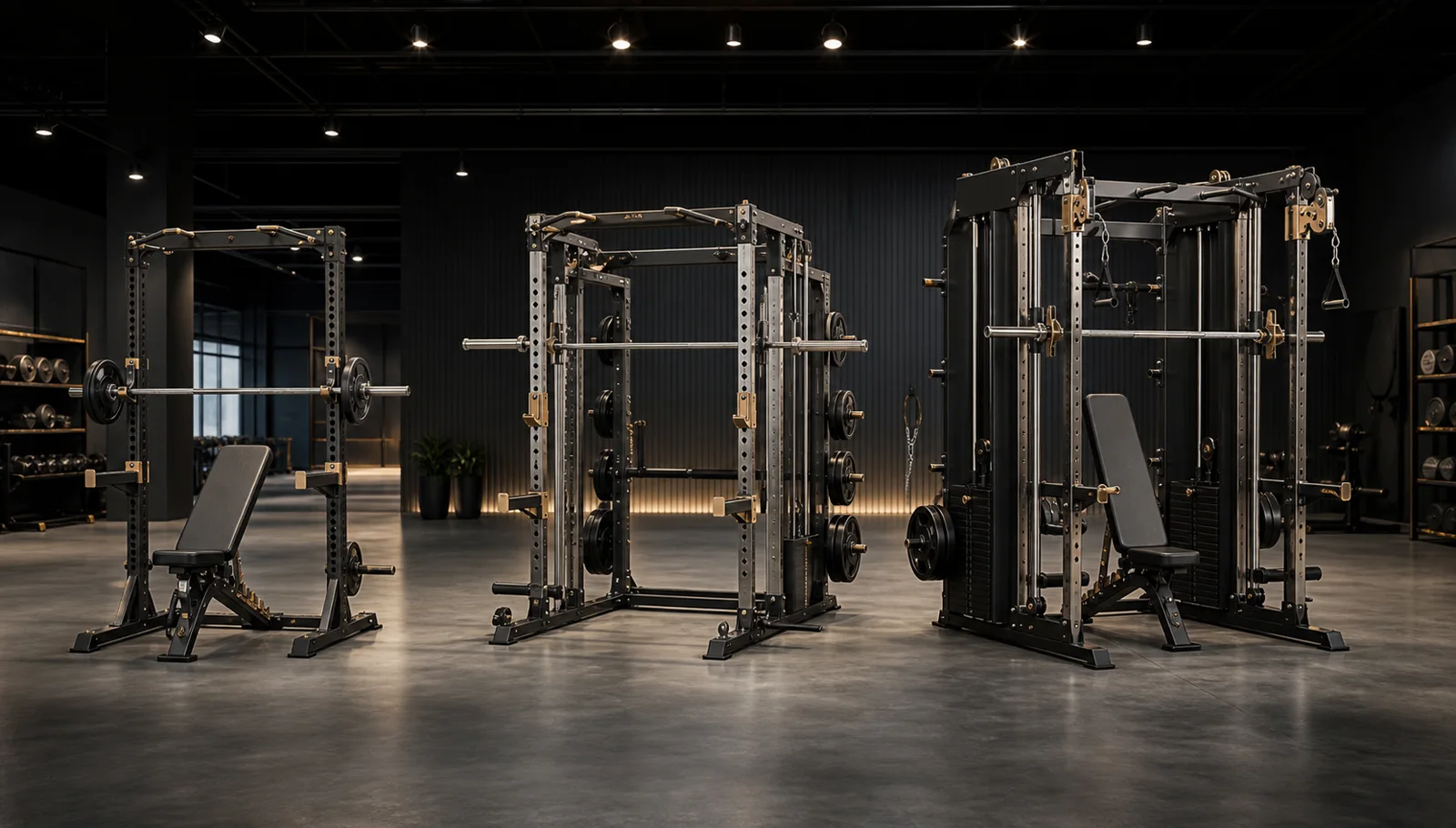
- Rack-and-bench packages
- Packing and spare-parts standard
Use the first order to build evidence
MOQ 1 allows a distributor to review a configured model or test a market. Larger quantities receive better pricing, but the first decision should still focus on product-market fit and the quality of the repeat-order record.
Capture approved dimensions, finish, functions, accessories, final inspection and packaging so sales and after-sales teams work from the same information.