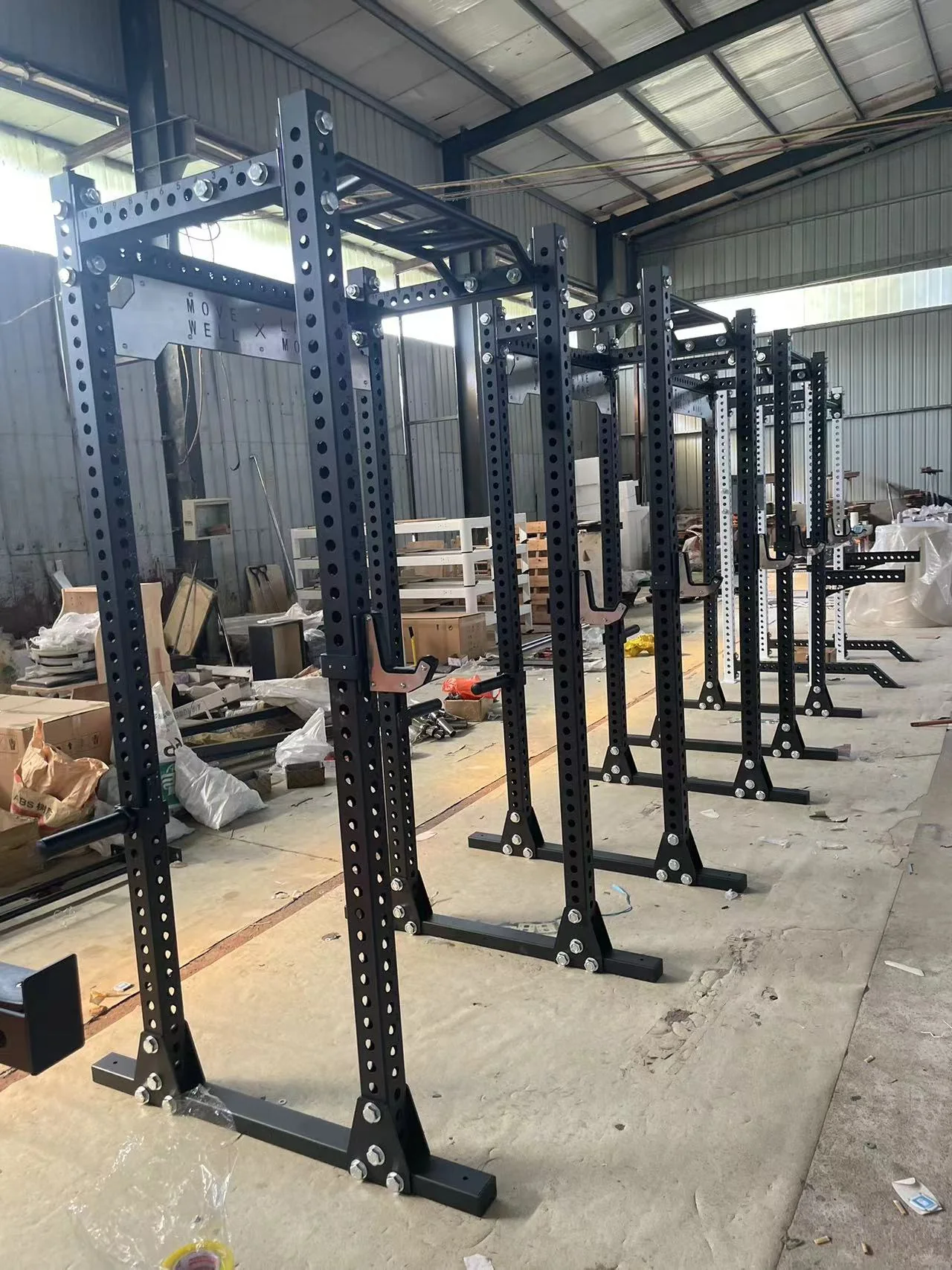
Bulk-order errors usually begin before fabrication: an attachment is assumed, a color reference is incomplete or the packing list does not match the approved configuration. A controlled release file keeps purchasing, production and inspection aligned.
| Record | Minimum content | Release owner |
|---|---|---|
| Approved configuration | Model, function, dimensions and attachments | Buyer and supplier |
| Finish record | Frame, upholstery and visible hardware choices | Buyer |
| Inspection list | Structure, screws, pulleys, functions and accessories | Factory QC |
| Packing list | Main parts, hardware, wear parts and crate marks | Factory and buyer |
1. Freeze the model and drawing
Confirm the model reference, overall dimensions, training functions, frame specification and every attachment. Changes after release need a documented revision so old and new instructions cannot be mixed.
2. Approve visible details together
Record powder-coat color, upholstery, nameplate or logo position, adjustment markings and packaging marks as one approval set. A photograph without a reference is not a complete finish instruction.
3. Turn quality expectations into checkpoints
The inspection list should include every screw, pulley size, cable routing, moving function and accessory count, together with frame, weld and finish checks. The same list should be used for the production sample and batch release.
4. Confirm packing before the batch is complete
Define component grouping, hardware bags, protection between coated parts, wear-part spares, labels and wooden-crate requirements. Packing decisions made late can create missing parts or avoidable finish damage.
5. Preserve the approved record for repeat orders
Keep the final configuration, inspection result, packing list and revision history under the same model and order reference. Repeatability is a commercial advantage for distributors.